
Operational Friction Is Still Underestimated

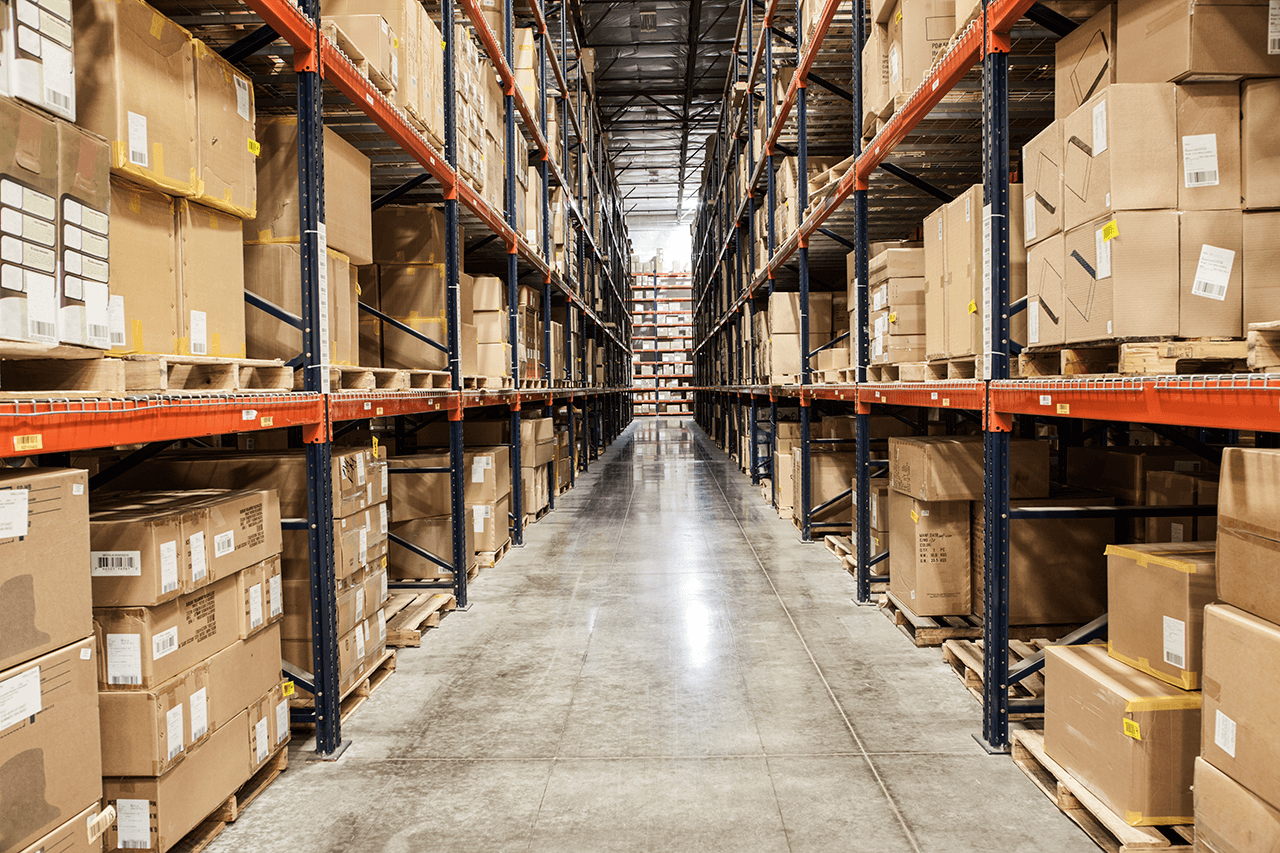
Hi all 👋
Hope your week’s off to a good start.
This week, I found myself thinking about how much business performance is still constrained by operational friction that most teams have just accepted as normal.
I’ve seen workflows that look simple in theory, but in practice still rely heavily on manual coordination across systems and teams.
That’s what shows up in this week’s case study.
This Week's Case Study
One of Blackbook’s retail operations clients in Australia was manually sourcing freight quotes for high-cost orders and managing inventory transfers through fragmented workflows.
Most decisions still defaulted to a single supplier because comparing alternatives was too time-consuming in practice.
So we implemented a UiPath RPA workflow to automate key parts of the process. This included multi-courier freight sourcing, automated selection of optimal delivery options, and end-to-end fulfilment and inventory transfer booking.
The result was a ~75% reduction in manual freight processing time.
Operations became faster, more scalable, and far less admin-heavy.
In Case You Missed It
I shared a short video on LinkedIn this week on how many business decisions are still just well-disguised guesses.
— Robbie
Get the latest tech news in your inbox
Hi all 👋
Hope your week’s off to a good start.
This week, I found myself thinking about how much business performance is still constrained by operational friction that most teams have just accepted as normal.
I’ve seen workflows that look simple in theory, but in practice still rely heavily on manual coordination across systems and teams.
That’s what shows up in this week’s case study.
This Week's Case Study
One of Blackbook’s retail operations clients in Australia was manually sourcing freight quotes for high-cost orders and managing inventory transfers through fragmented workflows.
Most decisions still defaulted to a single supplier because comparing alternatives was too time-consuming in practice.
So we implemented a UiPath RPA workflow to automate key parts of the process. This included multi-courier freight sourcing, automated selection of optimal delivery options, and end-to-end fulfilment and inventory transfer booking.
The result was a ~75% reduction in manual freight processing time.
Operations became faster, more scalable, and far less admin-heavy.
In Case You Missed It
I shared a short video on LinkedIn this week on how many business decisions are still just well-disguised guesses.
— Robbie