
I Think We're Finding Problems Too Late

Hi all 👋
It's hard to believe we're already into the second half of the year.
As I was thinking about what to write this week, I kept coming back to the same idea.
A lot of operational costs aren't caused by the problem itself. They're caused by how long it takes for the business to know the problem exists in the first place.
That was exactly the pattern behind this week's case study.
What's Happening in AI
There's a growing argument that organizations should stop experimenting with AI and focus only on centralized, outcome-driven initiatives.
I agree with the focus on measurable outcomes. I'm just not convinced experimentation should disappear.
Many of the products we use every day started with people solving problems on the ground, not in boardrooms.
Alignment to business outcomes matters. So does leaving room to experiment.
This Week's Case Study
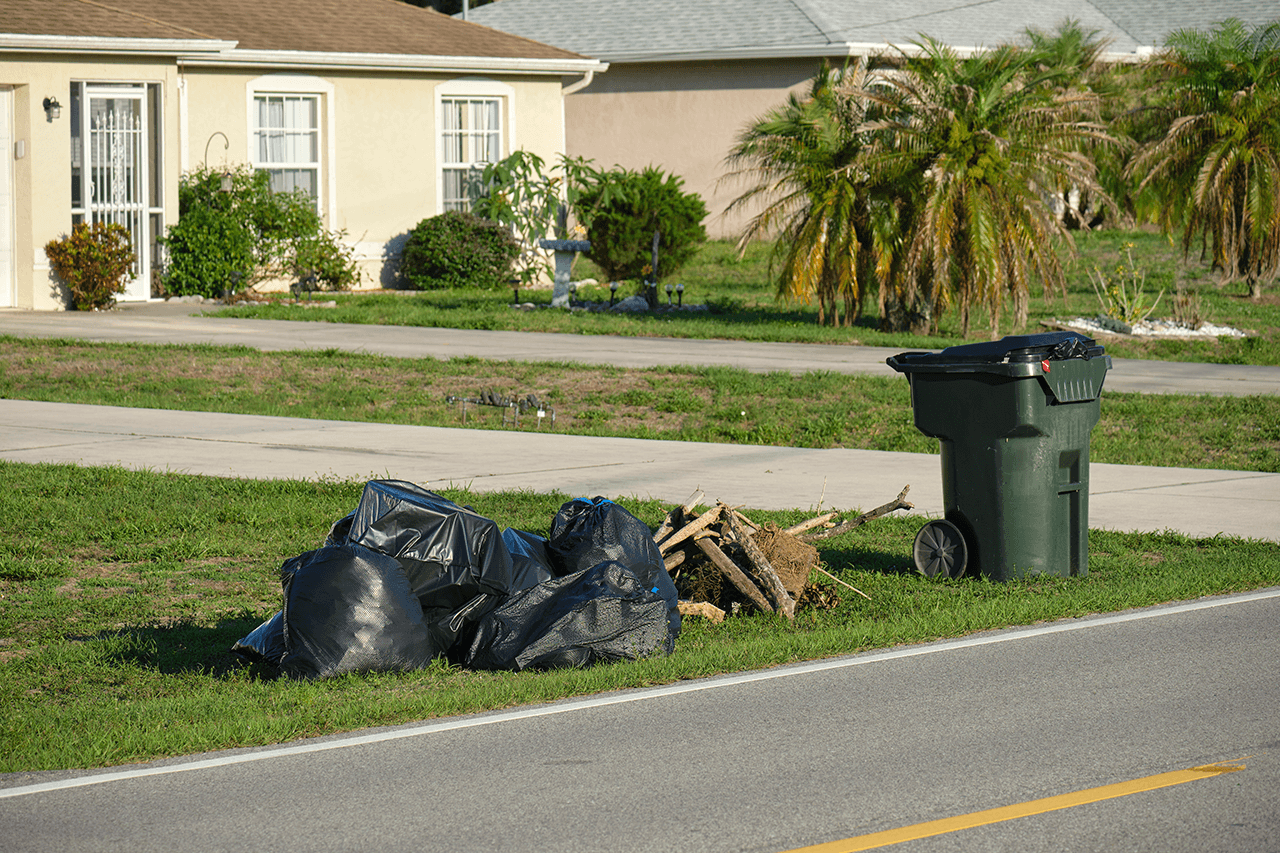
A government organization was dealing with ongoing curbside dumping across its service area.
Most incidents were still being reported manually by residents or field staff, which meant response times varied and clean-up activities were almost always reactive.
Residents and field staff had become the primary way incidents were detected, which meant response times varied and planning was almost always reactive.
So instead of introducing another reporting process, we made better use of data that was already being captured during normal waste collection operations.
The result was an estimated $100,000–$200,000 in annual collection operations savings, along with faster response times, better route planning, and far less reliance on manual reporting.
A Useful Resource
If you're curious how much repetitive admin work might be costing your business, here’s a simple calculator that estimates the impact of manual data entry and administrative work.
Give it a try here.
In Case You Missed It
This week, I shared a few thoughts on the huge potential of Agentic AI and the risks we run in the absence of governance.
That's it for this week.
— Robbie
Get the latest tech news in your inbox
Hi all 👋
It's hard to believe we're already into the second half of the year.
As I was thinking about what to write this week, I kept coming back to the same idea.
A lot of operational costs aren't caused by the problem itself. They're caused by how long it takes for the business to know the problem exists in the first place.
That was exactly the pattern behind this week's case study.
What's Happening in AI
There's a growing argument that organizations should stop experimenting with AI and focus only on centralized, outcome-driven initiatives.
I agree with the focus on measurable outcomes. I'm just not convinced experimentation should disappear.
Many of the products we use every day started with people solving problems on the ground, not in boardrooms.
Alignment to business outcomes matters. So does leaving room to experiment.
This Week's Case Study
A government organization was dealing with ongoing curbside dumping across its service area.
Most incidents were still being reported manually by residents or field staff, which meant response times varied and clean-up activities were almost always reactive.
Residents and field staff had become the primary way incidents were detected, which meant response times varied and planning was almost always reactive.
So instead of introducing another reporting process, we made better use of data that was already being captured during normal waste collection operations.
The result was an estimated $100,000–$200,000 in annual collection operations savings, along with faster response times, better route planning, and far less reliance on manual reporting.
A Useful Resource
If you're curious how much repetitive admin work might be costing your business, here’s a simple calculator that estimates the impact of manual data entry and administrative work.
Give it a try here.
In Case You Missed It
This week, I shared a few thoughts on the huge potential of Agentic AI and the risks we run in the absence of governance.
That's it for this week.
— Robbie

